Namibia's cuisine was never written in cookbooks. It lived in the hands of grandmothers, in the smoke of communal fires, in the patience of a cast-iron pot set before sunrise and opened only when the sun touches the horizon.
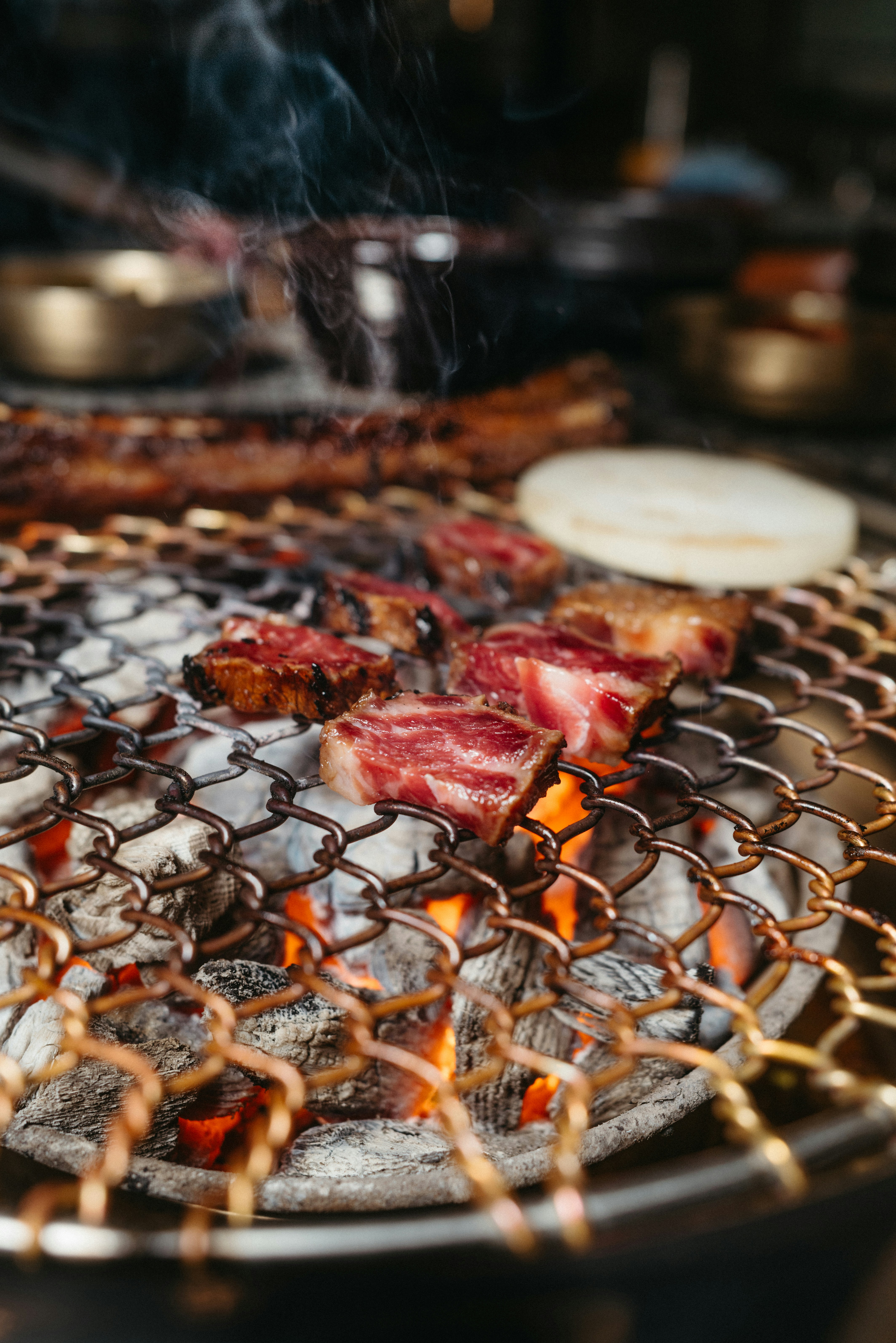
Kapana
Katutura, Windhoek
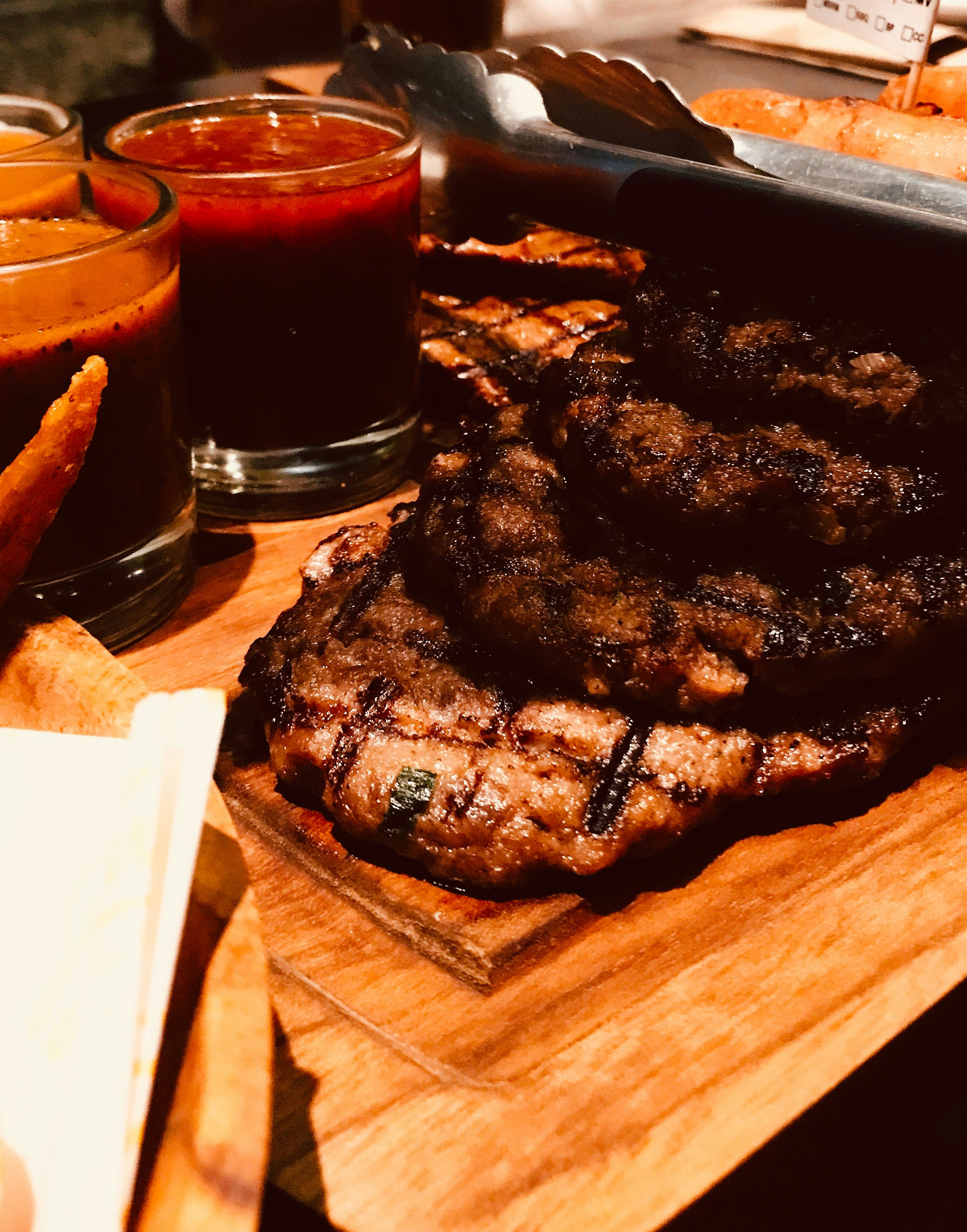
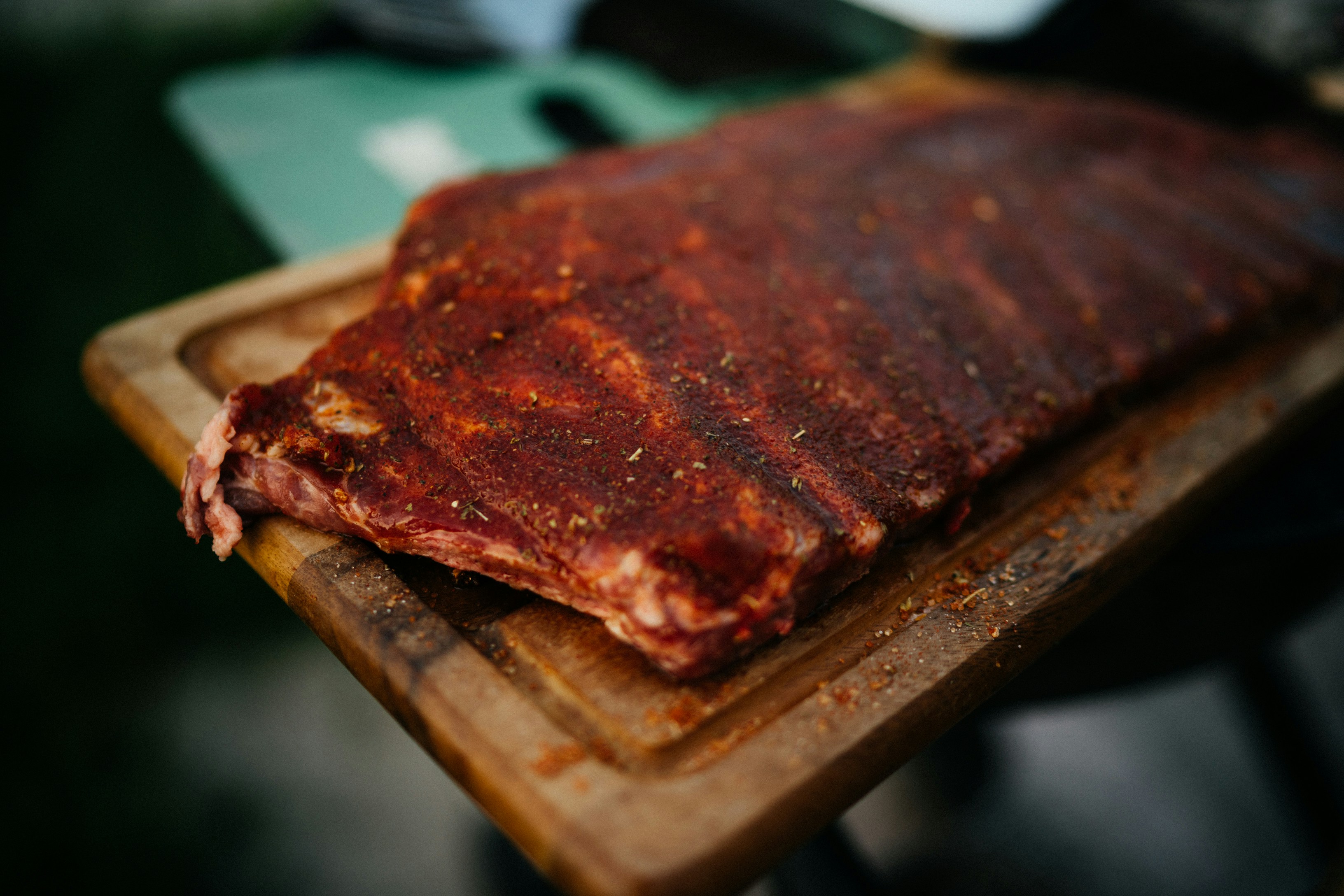
Street-cut beef, grilled on open steel drums. The smoke is the seasoning. The speed is the skill.
Mopane Worms
Northern Namibia
Dried and spiced caterpillars of the Emperor moth. Eaten since before written memory. Crisp, earthy, ancestral.
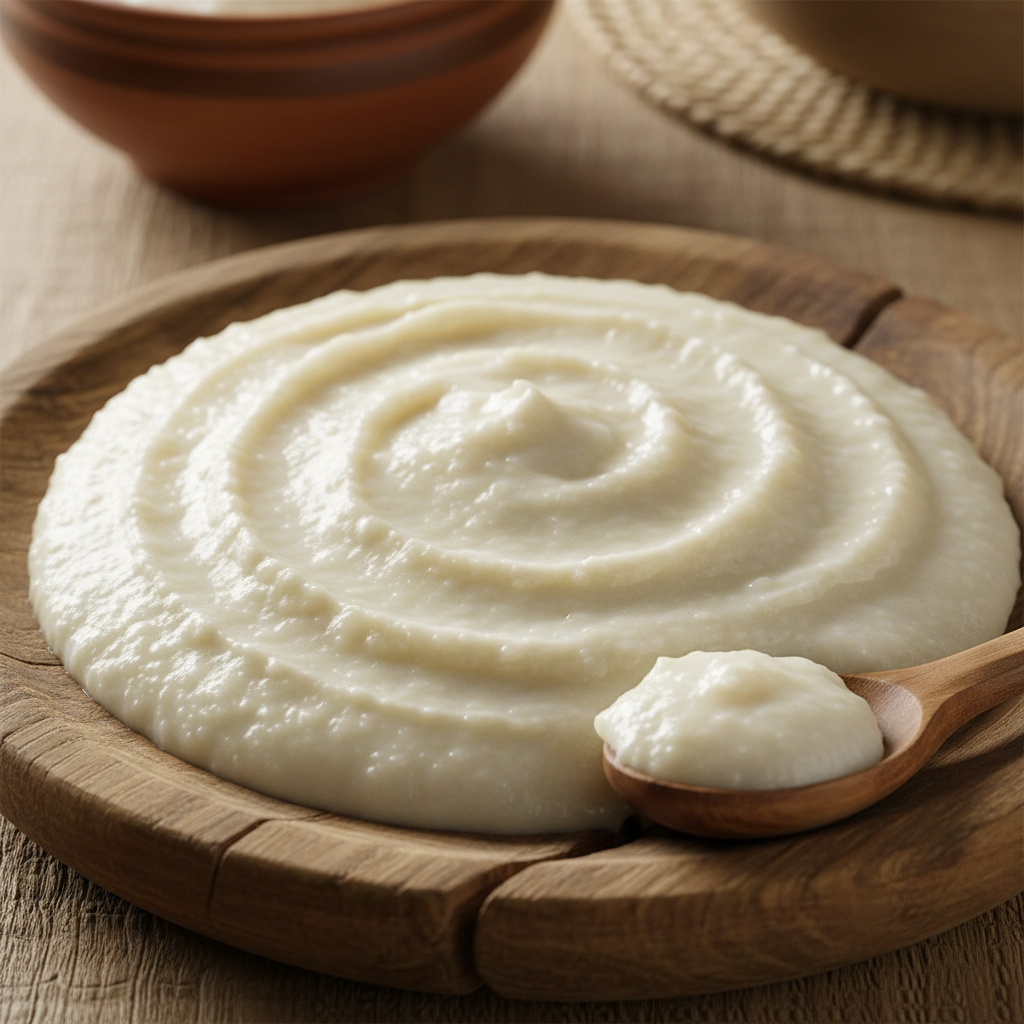
Oshifima
Oshana Region
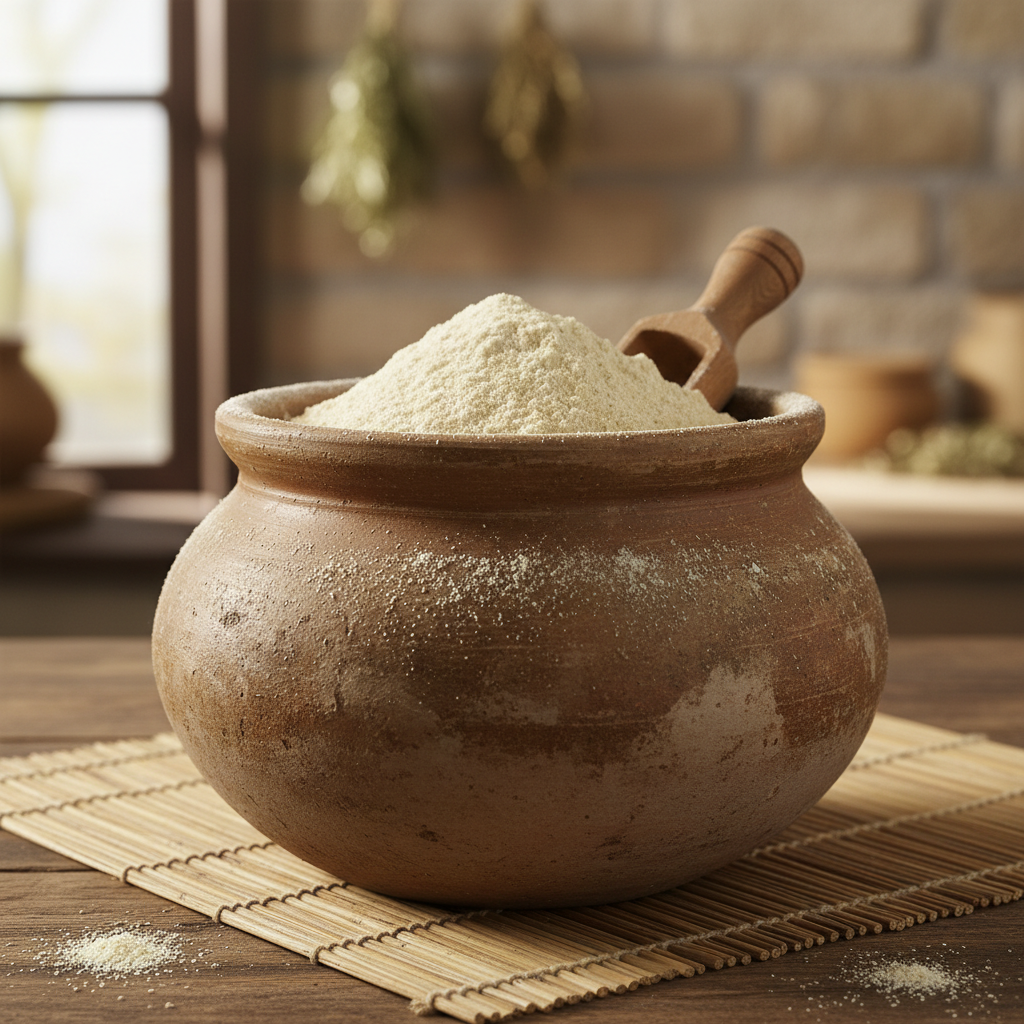
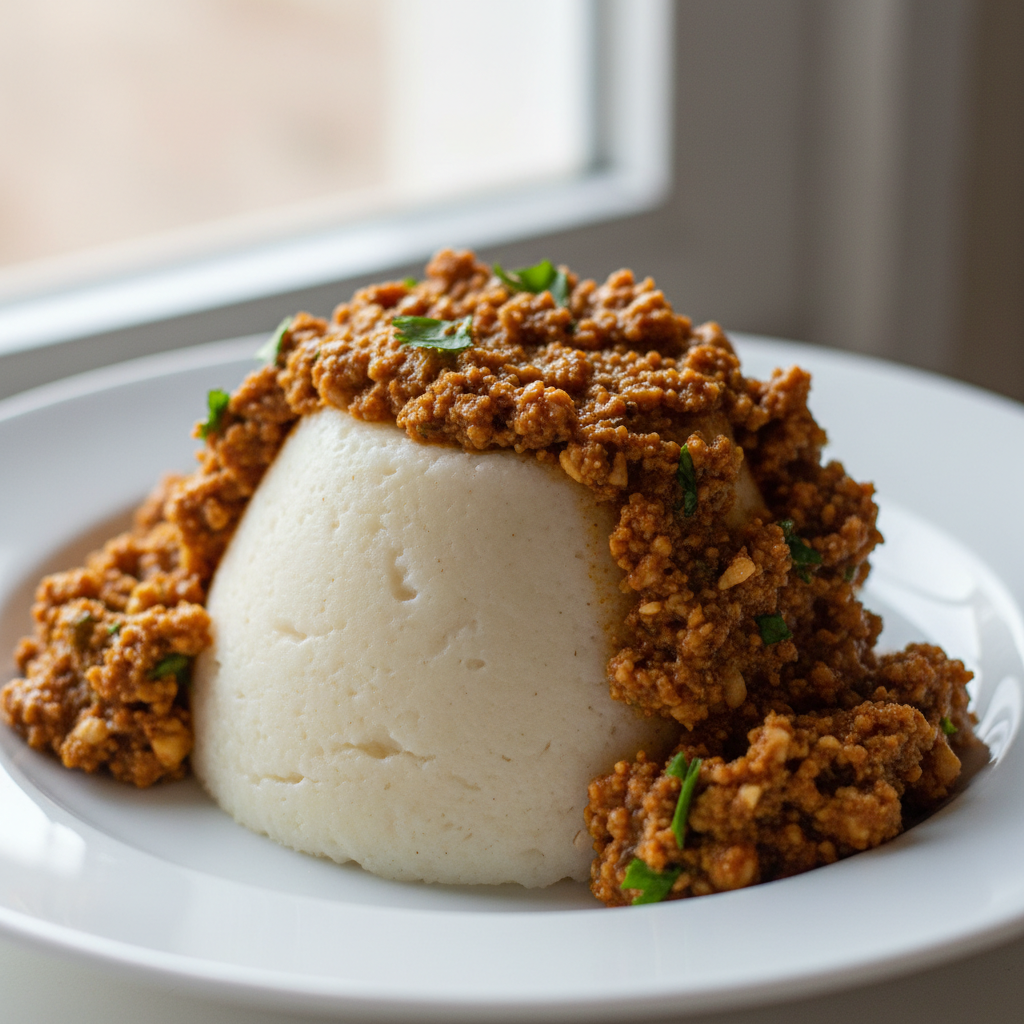
Pearl millet pounded into a stiff porridge. The daily bread of the Owambo people. Dense, warm, grounding.
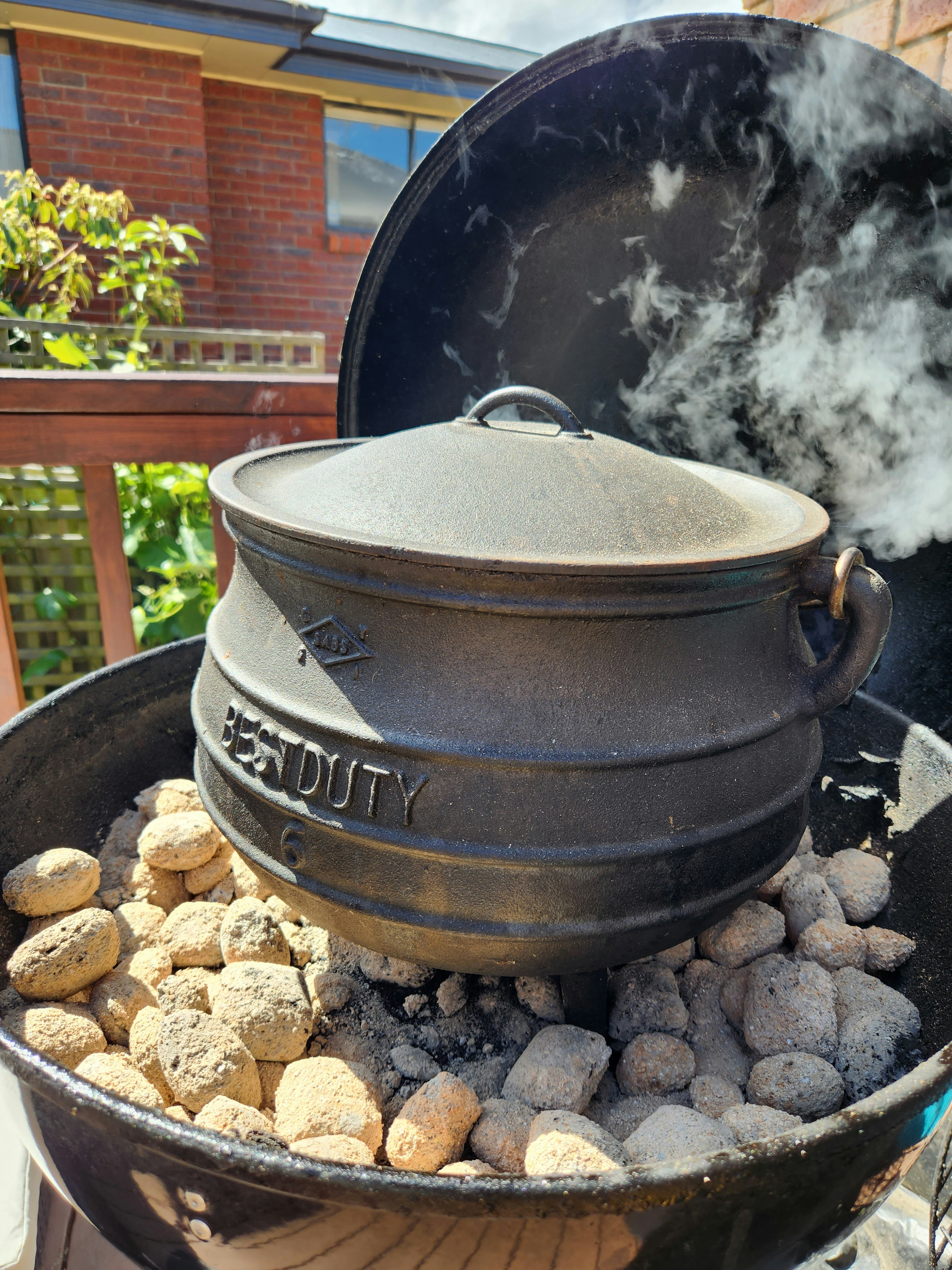
Potjiekos
Cape Malay · Namibian frontier
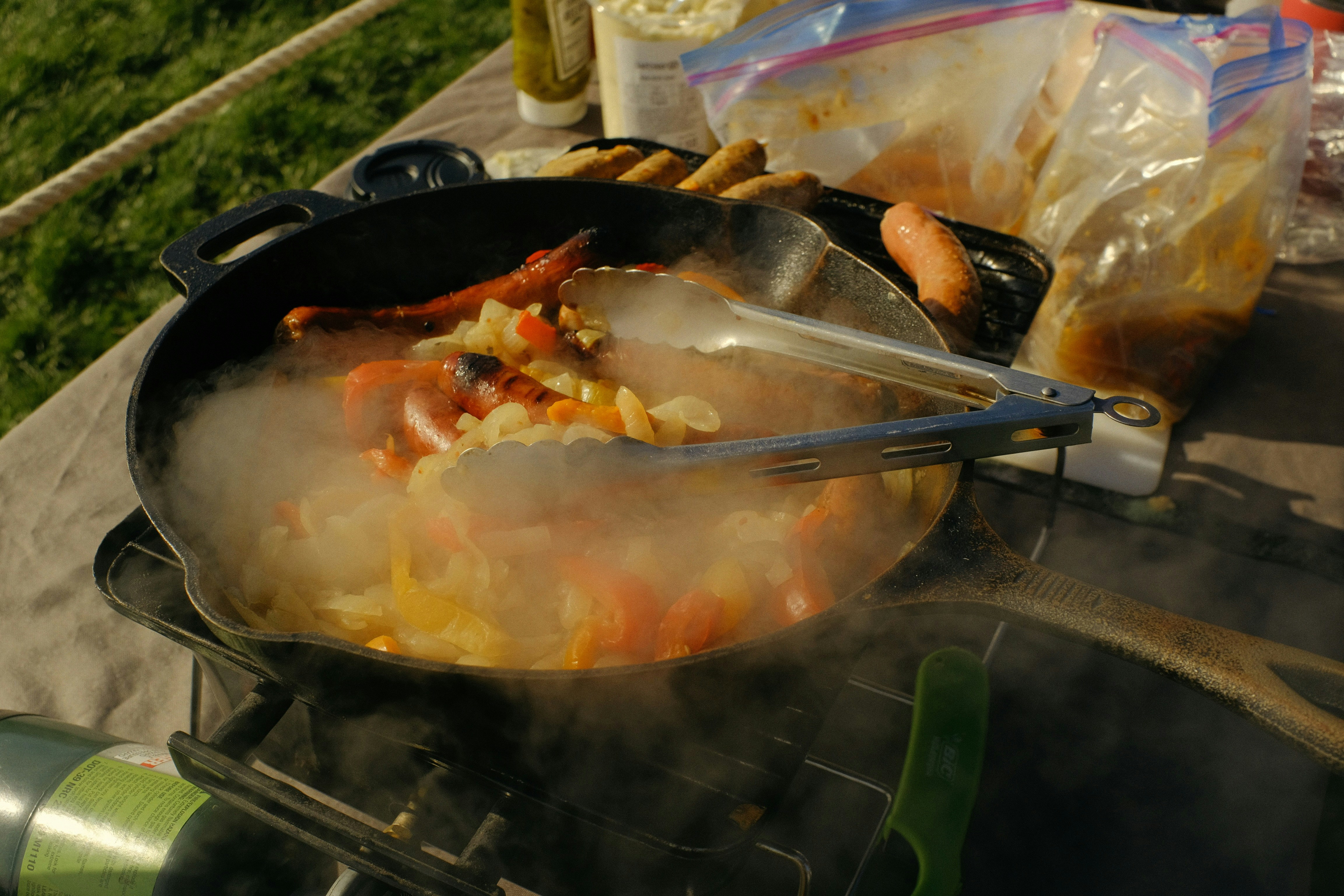
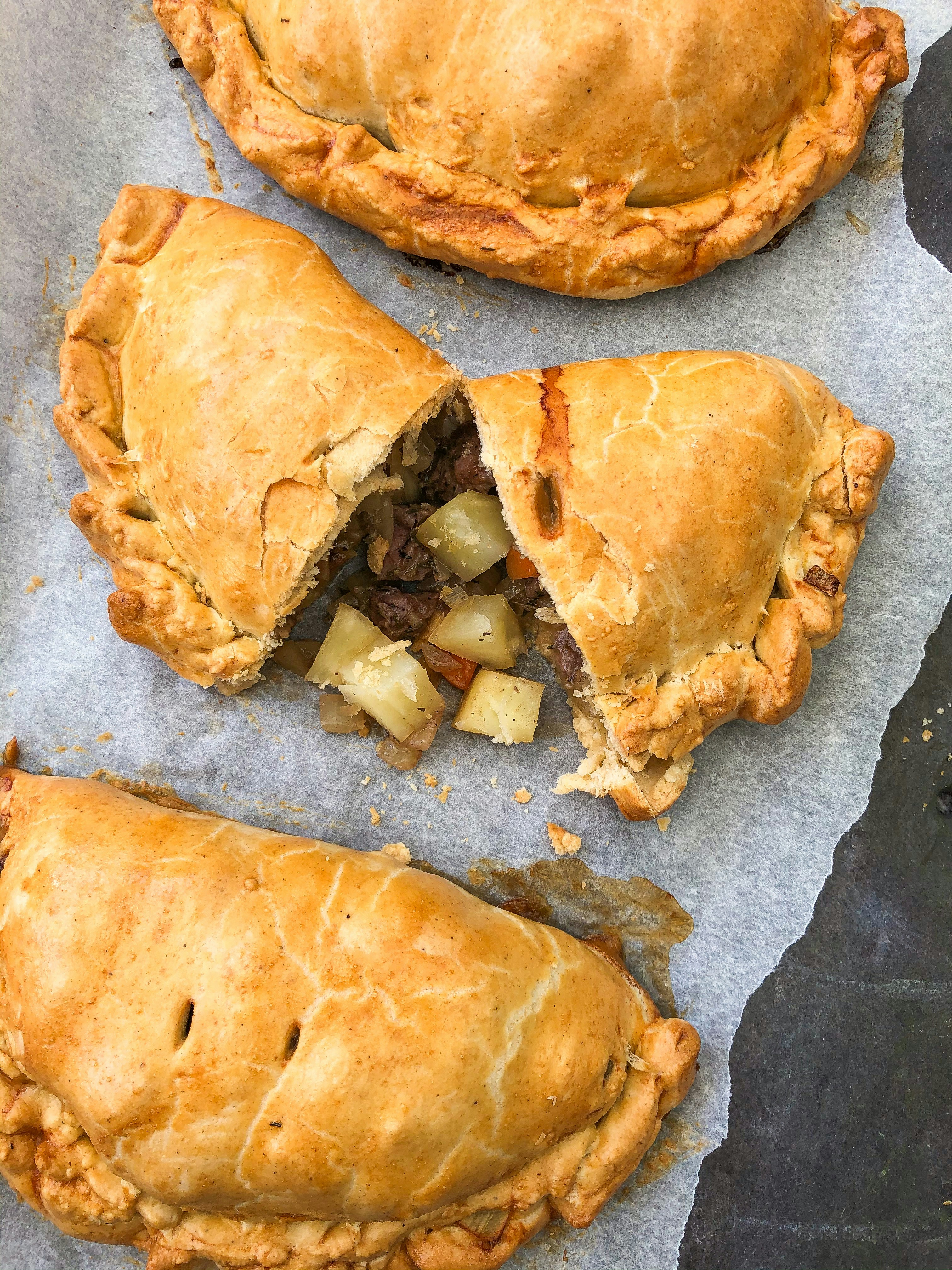
Cast-iron pot, low fire, hours of patience. Lamb, wild herbs, root vegetables. You cannot rush it.
The journey here. What was carried. What was lost.
I
1970s
What the land remembers
In Katutura — the township outside Windhoek whose name means "the place where we do not want to live" — kapana vendors set up steel drum grills before sunrise. By 7am, the smoke carried across the highway. This was never a restaurant. It was survival made delicious.
Before sunrise, Katutura
II
2019
What was carried in a suitcase
When Naledi Nakamhela flew west, she packed two things she could not replace: her grandmother's recipe notebook — 40 pages, handwritten in Oshiwambo, with grease stains on the potjiekos page — and a vacuum-sealed bag of dried mopane worms her mother insisted she take.
"The notebook smelled like woodsmoke even after two years."
Naledi's Notebook
Potjiekos ya Tate: Lamb neck — 2kg Onion, garlic, tomato Wild rosemary from the kopje behind the house...
III
November 2023
The first fire in a new city
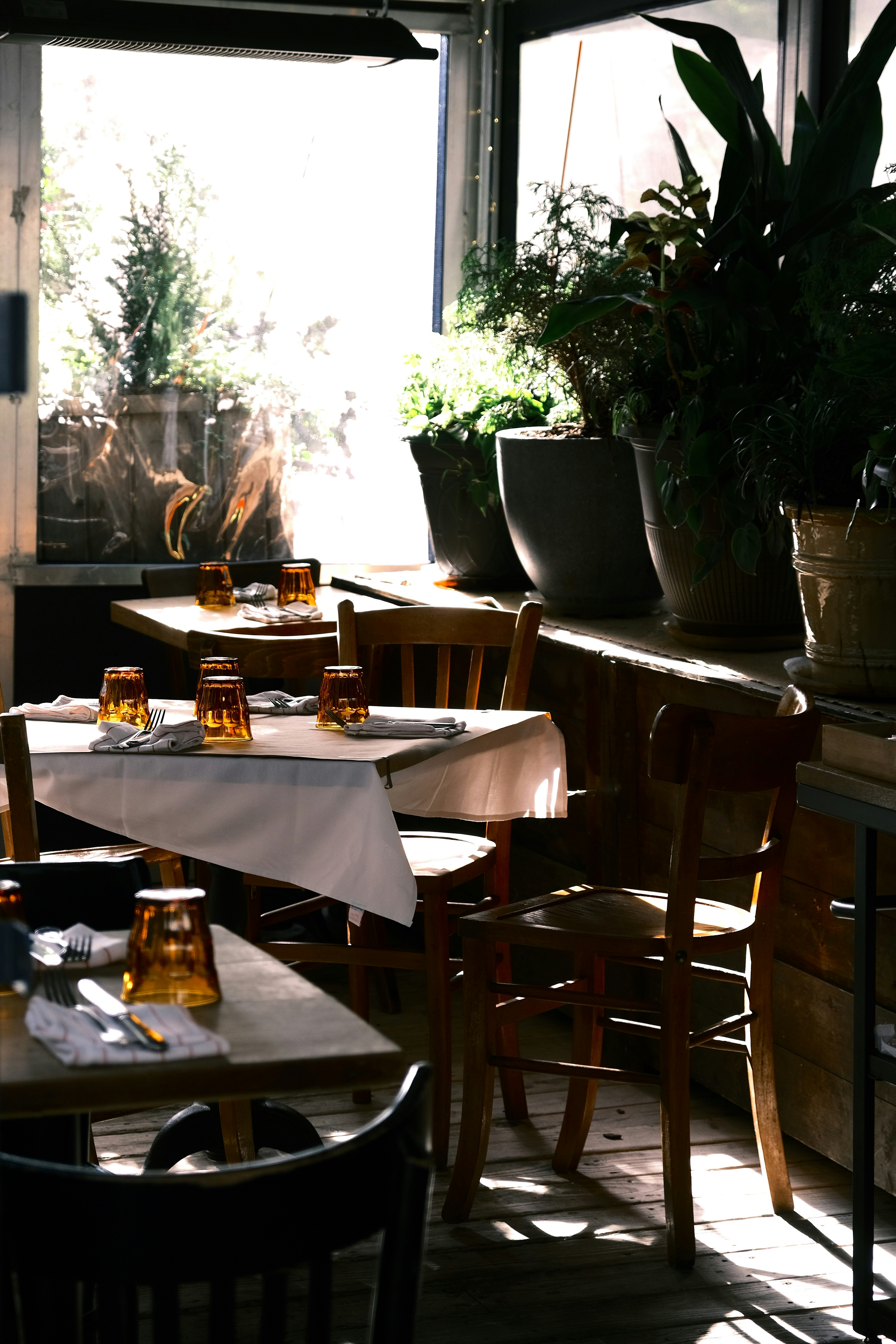
The first night of service, the steel drum arrived three hours late. Naledi's hands were shaking. By 8pm, every table was full. By 9pm, a food blogger from the east side had already posted. By 10pm, the phone was ringing for reservations the next week.